Guide · what order to decorate a
What Order to Decorate a House
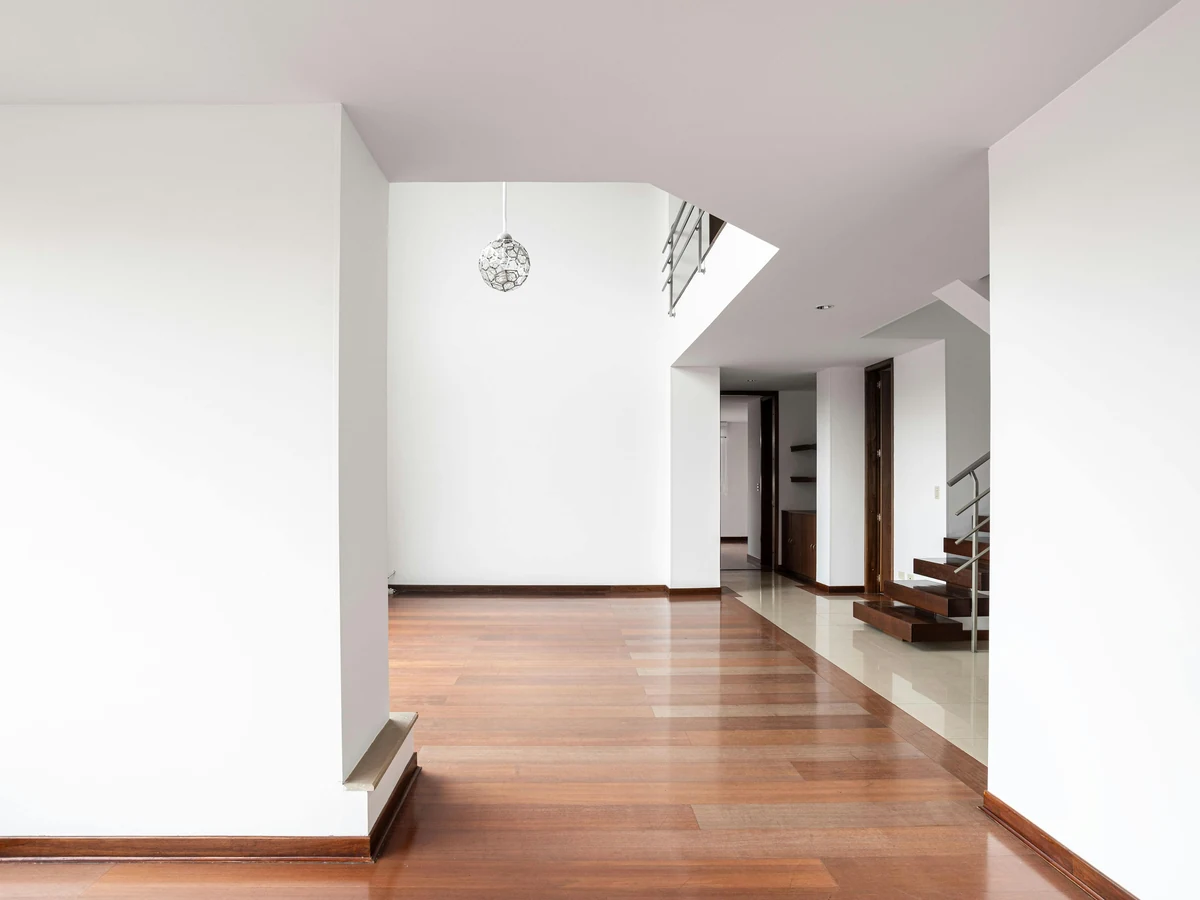
Not sure whether painting should happen before or after your new flooring goes in?
Dust-producing plastering, chasing and structural repairs need to finish first. Decorative coatings begin only once that work is done. The remaining sequence follows fixed dependencies between ceilings, walls, woodwork, flooring and snagging.
By the end, you will have one dependency-led order plus the few cases where that order legitimately changes.
- What Is the Correct Order to Decorate a House?
- Which Repairs and Dusty Trades Must Finish First?
- How Do You Sequence an Occupied House?
Durham Painters connects people in Durham with a trusted local decorator. Call 0191 743 9903 for a free quote before you lock in your decorating sequence.
How Durham Painters Works
Durham Painters connects Durham homeowners with a trusted local decorating partner. Here is how the introduction and quote route work:
- Tell us about the job — the rooms, timing and anything you are unsure about.
- We hand the brief to your decorator so the scope does not get lost in a second retelling.
- They visit, measure and put the quote in writing before any work is booked.
- You agree the work directly with them including the programme and final walkthrough.
Durham Painters makes the introduction and stays on hand; the decorator does the work and stands behind it.
Why Choose Durham Painters
The route stays focused on the property, the written scope and the person doing the work.
Written Quotes
The proposed scope can record surfaces, preparation and agreed access arrangements.
Clear Pricing
Ask for the included work and exclusions before a price is accepted.
Occupied-Home Planning
Protection, room order and end-of-day arrangements are agreed directly with the decorator.
Ask About Cover
Ask the decorator to confirm current public-liability insurance before work begins.
Guide · What Is the Correct Order
What Is the Correct Order to Decorate a House?
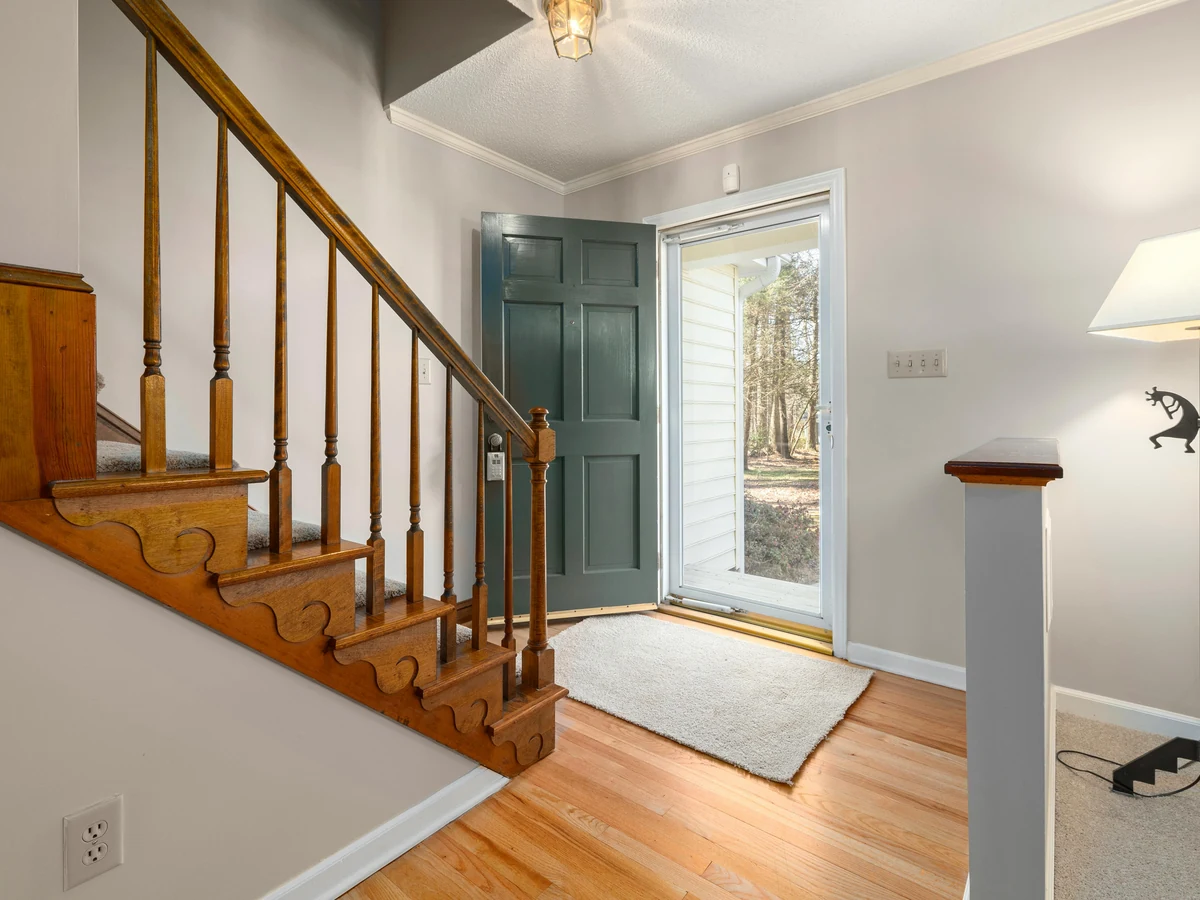
The full sequence runs from dirty work through to final snagging:
- Repairs and dust-producing trades
- Drying time
- Ceilings and walls
- Woodwork
- Fixed items
- Flooring
- A final snagging pass
Each stage exists to protect the one that follows. Skipping ahead usually means redoing a finished surface once a later trade has damaged or dirtied it. Durham Painters connects readers in Durham who need trades sequenced with a trusted local provider. That provider can give a free quote.
Guide · Which Repairs and Dusty Trades
Which Repairs and Dusty Trades Must Finish First?
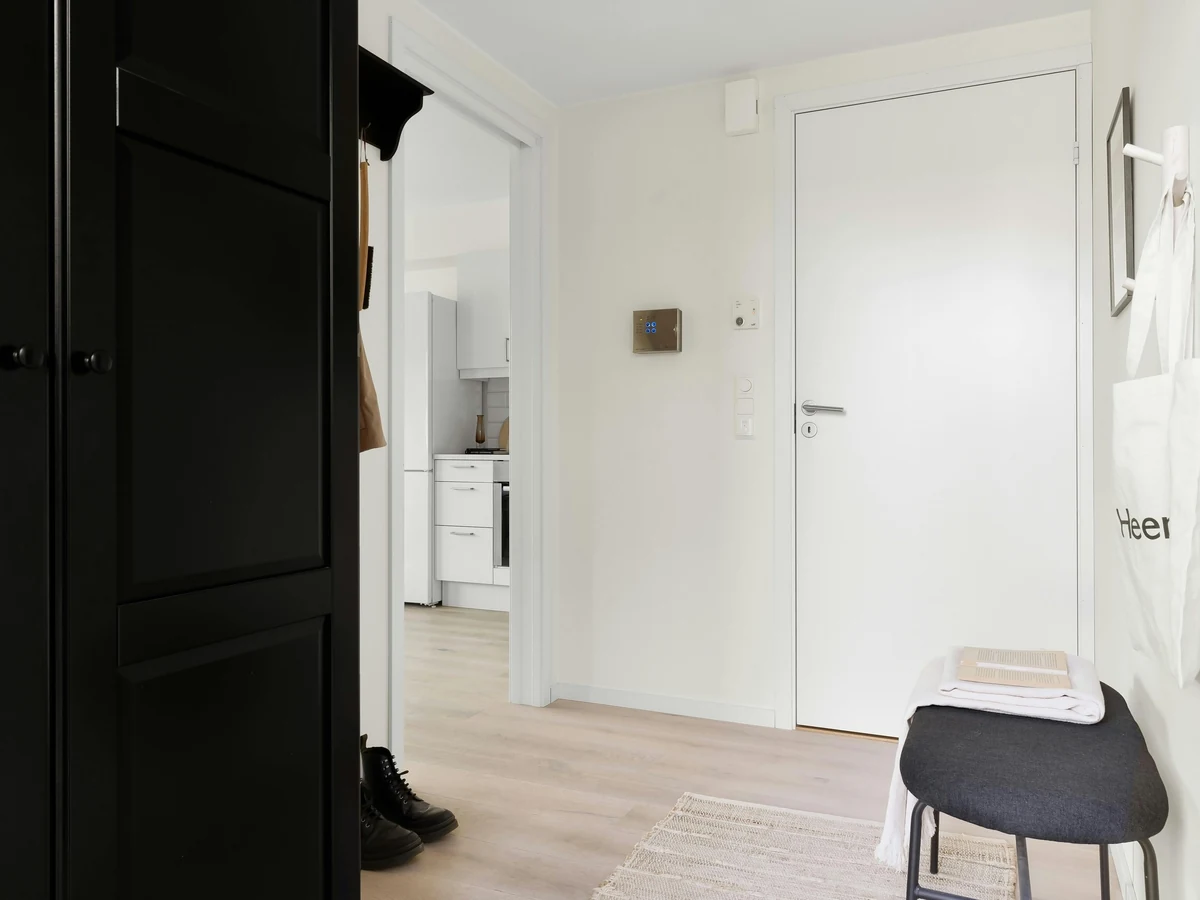
Plastering, chasing and structural repair must finish before any decorative coating goes on.
These trades generate dust that settles into fresh paint and ruins the finish. They can also disturb walls and ceilings that have already been decorated. Waiting until this dusty work is genuinely complete, not just visually tidy, avoids paying for the same wall twice.
Guide · Should You Paint Before or
Should You Paint Before or After New Flooring?
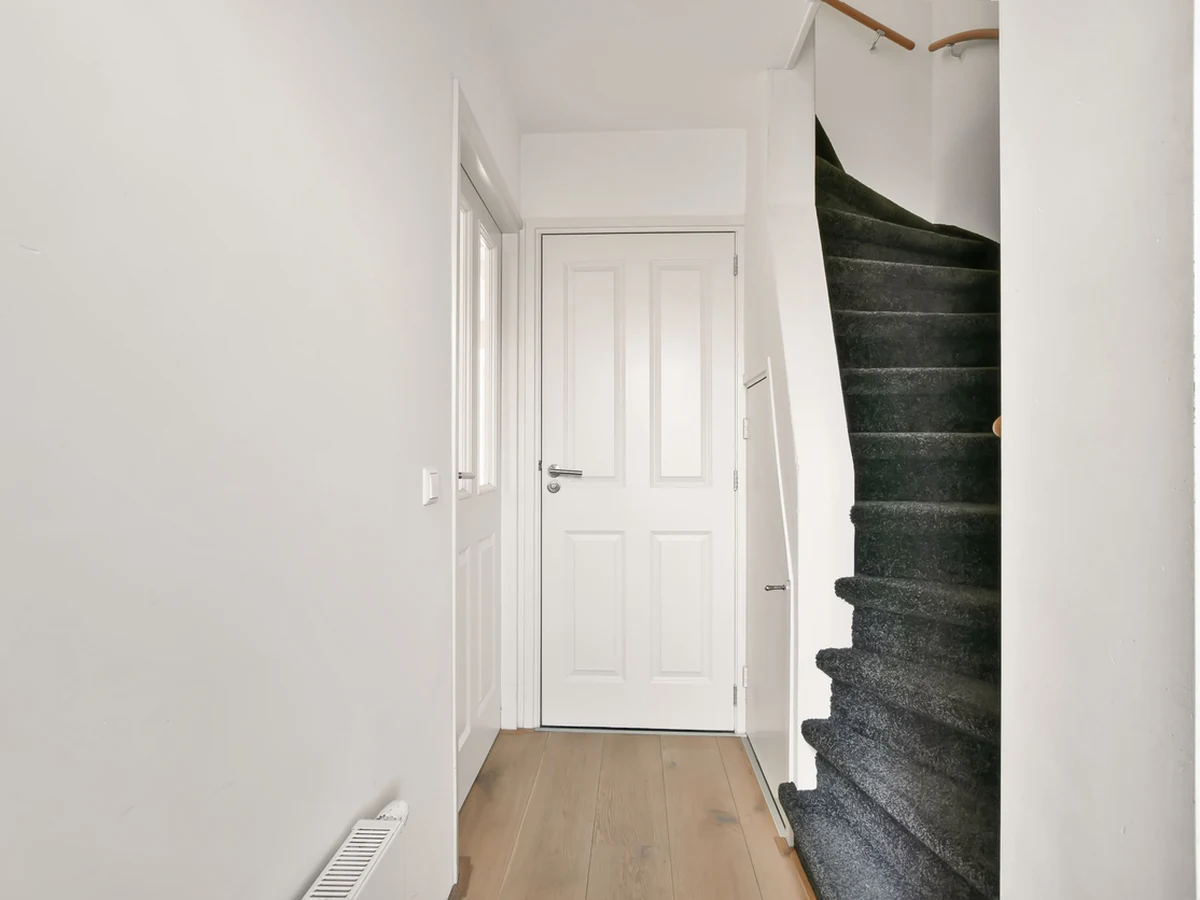
Final flooring follows decoration in most cases. Protection needs and specialist floor requirements can change that handoff.
Painting first lets the decorator work without protecting a finished floor from every drip and footstep. Some floor products, though, need to go down before skirting or architrave is painted to get a clean line. Agree this order with both trades before either one starts, rather than assuming the usual sequence applies to your job.
Ask Durham Painters to arrange a free site quote for your decorating project in Durham. Call 0191 743 9903.
Get your decorating sequence quoted
Get your decorating sequence quoted
Guide · When Should Kitchens, Joinery and
When Should Kitchens, Joinery and Electrical Finishes Go In?
Fitted kitchens, joinery and electrical finishes create edges that a later coat of paint can damage. Their position in the sequence needs agreeing before work starts.
Painting behind a kitchen carcass before it goes in avoids an unpainted strip once units are fitted. Electrical finishes, such as socket plates and switches, usually go back on after painting to keep a clean edge. Agree these handoff points with each trade in writing, so nobody assumes the other has already covered it.
Guide · Which Rooms Should Be Decorated
Which Rooms Should Be Decorated First?

Room order follows access, drying time and household use, not a fixed upstairs-first rule.
A room with the least daily use often makes the best starting point, since it causes the least disruption. Rooms that need longer to dry, such as those with fresh plaster, benefit from being started earliest in the programme. Household routines matter more than any generic sequencing advice. That includes which bathroom or kitchen stays usable.
Guide · What Should You Do If
What Should You Do If Two Trades Want the Same Room at Once?
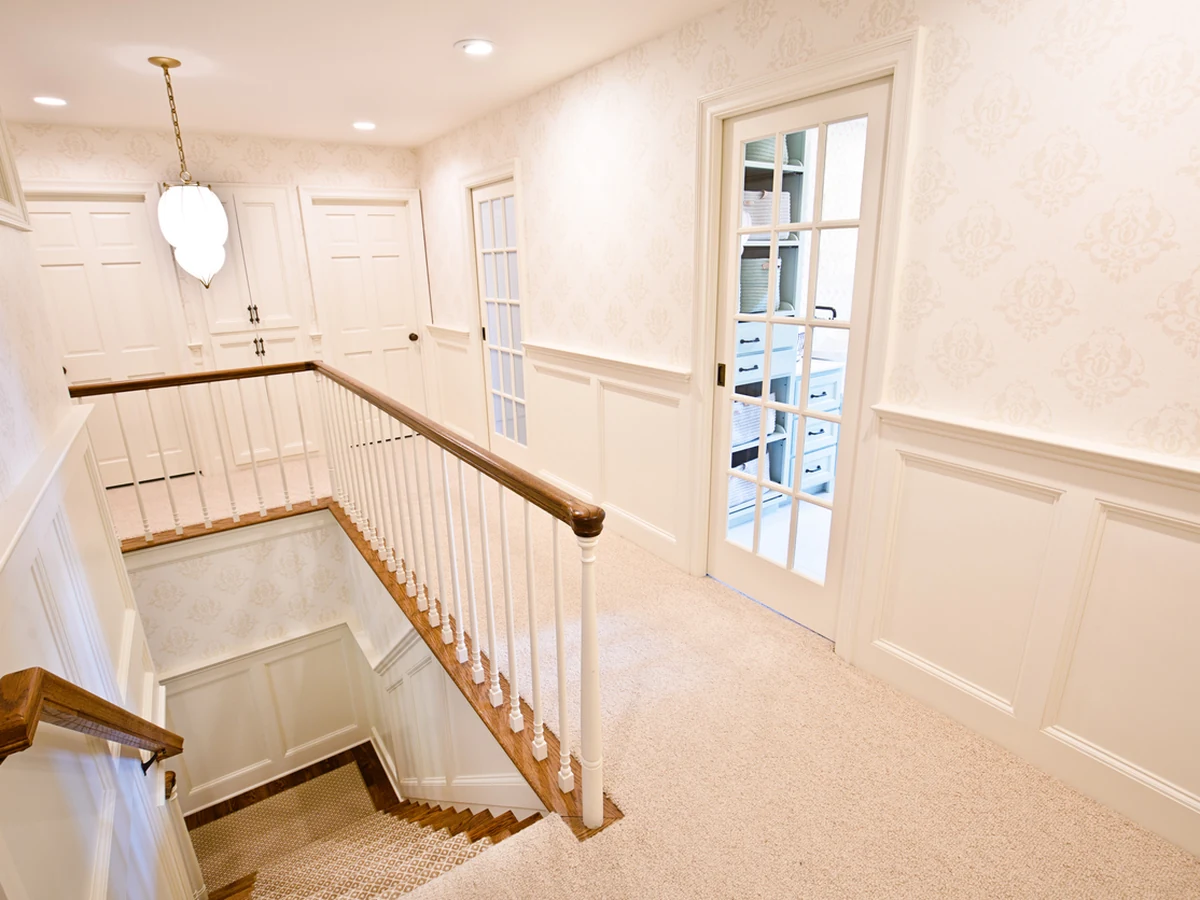
Agree a single-trade-at-a-time rule for each room, in writing, before work starts.
Two trades working the same space at once usually means one damages the other’s finished work. A written schedule that names which trade has the room, and when, prevents that clash before it happens. If trades are competing for the same room, a painting and decorating company covering Durham can help resequence the work. Durham Painters arranges the introduction.
Guide · How Do You Sequence an
How Do You Sequence an Occupied House?
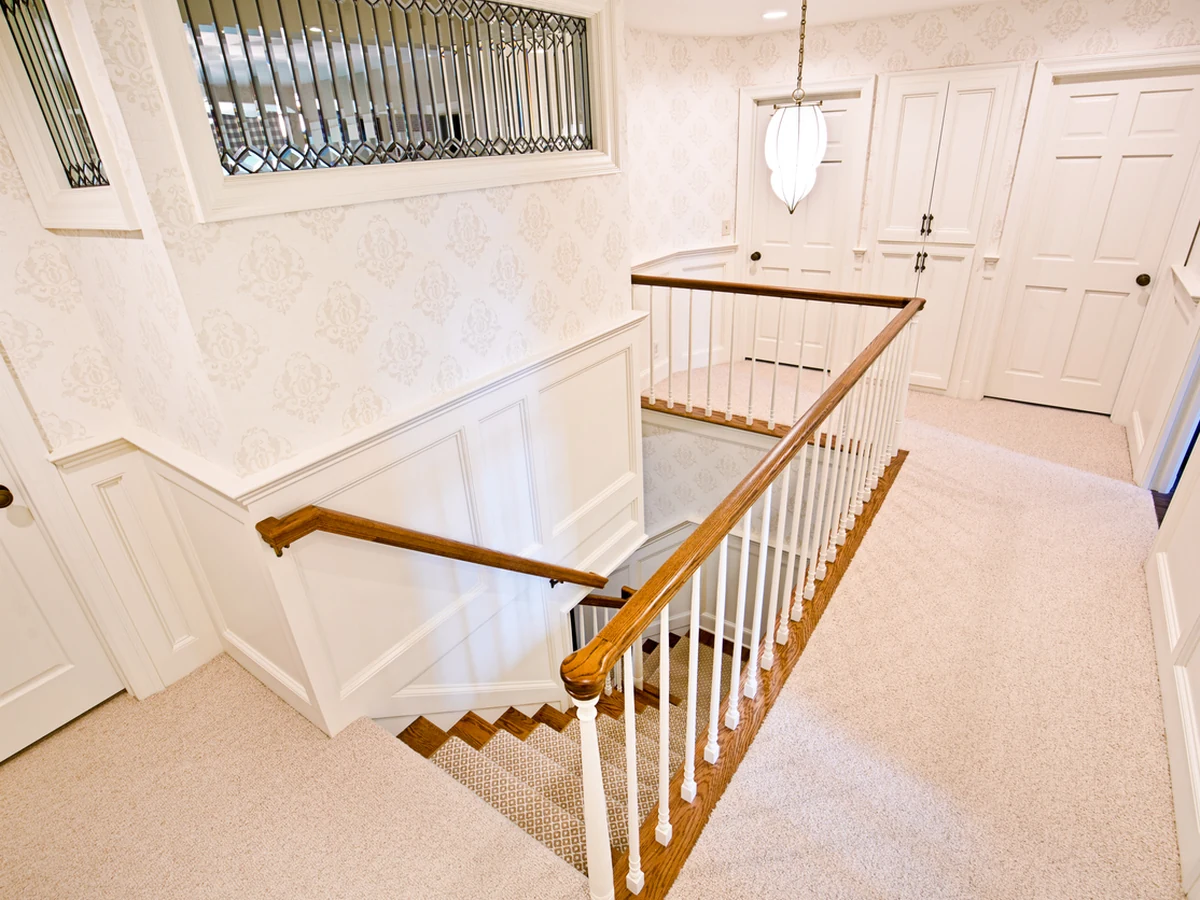
An occupied house needs a usable-room rotation, a daily reset and a clear possessions plan, on top of the standard trade sequence.
Keep at least one bathroom and one food-preparation space usable at every stage of the programme. Agree a daily reset, so the household can move safely through the property each evening. Pack away possessions from any room in active use, rather than leaving them exposed to dust and paint.
Speak to the decorator covering Durham about sequencing trades before work starts. Call 0191 743 9903.
Plan your trade sequence before work starts
Plan your trade sequence before work starts
House Decorating Order FAQs
Get My Free Quote
Fill in the form below for a free quote: